Read online Saltwater Fishing Knots - From the Reel to the Hook - Andy Steer | PDF
Related searches:
Saltwater Fishing Knots - From the reel to the hook: Steer
Saltwater Fishing Knots - From the Reel to the Hook
The Only Fishing Knot You Need The Uni Knot Saltwater
The Best Fishing Knots Of All Time [Ranked Strongest To Weakest]
Easy, Strong Fishing Knot The Clinch Knot Saltwater
Fishing Techniques: Knot Know-How Coastal Angler & The
It is used to tie two different fishing lines together, which may be different materials and diameters. Also known as the albright special knot, this saltwater fishing knot can be handy and is overall a great knot.
The “tag end” (sometimes called the “working end”) is the end of the line used to tie the knot. The “standing end” is part of the line coming from your fishing reel. • leave a foot or more of the “tag end” of line for tying knots so that you can tie them properly.
There are numerous ways that wind knots, line twists, and knots occur on spinning reels loaded with braided line, and one of the most overlooked causes is uneven line on your spool. Here’s what happens when you have uneven line in the spool:.
Wet the knot with saliva and start tightening it by first pulling on the tag end in the direction of the arrow. Stage 3 then, with the knot now well consolidated, snip the ends off close and pull on the two lines to slide the two knots towards each other.
A loop knot can be tied very easily under various circumstances, and attached to swivel and hook.
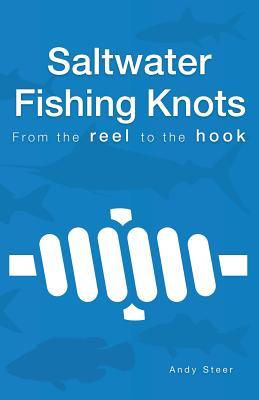
Saltwater fishing knots - from the reel to the hook contains 41 clear, concise, easy to follow step-by-step knot-tying illustrations of recommended saltwater and big game fishing knots and 2 set-ups.
• leave a foot or more of the tag end of line for tying knots so that you can tie them properly. With some knots this will be only the standing end and tag end; with other knots it might be three or four ends.
The albright knot, sometimes known as the albright special knot, is a saltwater fishing knot developed specifically for joining mono line to a single strand wire.
May 20, 2015 consider: here you have your fishing line, spooled up on your reel.
The arbor knot is used for tying line to the reel and can be used for both baitcast or spinning reels. This knot is suggested for monofilament and fluorocarbon lines. This can be also used for braided superlines or unifilament if the spool is designed with a non-slip braid-ready spool.
Close up shot of a fishing reel with a clear line monofilament lines have traditionally been the go-to lines for saltwater fishing, however recently braided fishing lines have become more and more popular. Braided fishing lines benefit from being significantly thinner while holding the same pound weight test as a thicker monofilament fishing line.
While freshwater anglers have a recommended total of four basic fishing knots to master, new anglers learning how to fish in saltwater have only three basic knots to know: a knot to tie the line to the reel, a line to leader knot (to tie the leader to your fishing line), and terminal knot (to tie the hook or lure to your leader).
Feb 24, 2019 the rods and reels which are used are usually different, the end tackle (traces/ rigs and weights) is different and it follows that very often the knots.
There are two types of knots you can use to tie your line to a lure.
The clinch knot, also called the fisherman's knot, is one of the most commonly used fishing knots. While commonly used, it is exceptionally strong and is used in both fresh and saltwater for a wide variety of gamefish.
An all-time classic, multi-purpose fishing knot, the uni knot, is one of the best knots you can use to tie a hook, lure, or swivel directly to braided fishing line.
Saltwater fishing knots the demands of big game and saltwater fishing require special knots for heavy line, special materials and tough battles. Here you will find those specialty knots like the baja knot and the bimini twist.
Post Your Comments: