Read online Agile Transformation: Structures, Processes and Mindsets for the Digital Age - Neil Perkin | PDF
Related searches:
Agile Transformation: Structures, Processes and Mindsets for the
Agile Transformation: Structures, Processes and Mindsets for the Digital Age
Agile Transformation: Structures, Processes And Mindsets For
Guest blog: Changing the organizational structure for agile
Agile Transformation: Structures, Processes and - Amazon.com
The journey to an agile organization McKinsey
Agile transformation of the (IT) Operating Model - Compact
The 12 Stages Of The Agile Transformation Journey - Forbes
Amazon.com: Agile Transformation: Structures, Processes and
Breaking the habit: Why is agile transformation so hard? - Organize
Agile Transformation — Incrementor - Agile Coaching and Training
The Challenges of Agile Transformation - Knowledge21
Agile organization and transformation - ROI Management Consulting
How To Make The Whole Organization Agile
Agile Transformation Changes from the - PM World Library
Agile Transformation: Using the Integral Agile Transformation
Agile organizational structure – a framework for context
Agile Transformation Kata — Incrementor - Agile Coaching and
Guide To Agile Transformation: Plans, Challenges And Case
The Agile PMO Scrum.org
Organization, Culture, and Agile Transformation Services
The Role of an Agile Leader During an Agile Transformation
Agile Transformation Part 1: Unlocking the Benefits of Agile
(PDF) Best Practices for Enterprise Agile Transformation
From the definition of your agile digital transformation, through to adoption with individual business units, and delivery team mobilisation, it is crucial that you structure your approach.
Figure 4: is agile in use and are there any plans for a further transformation towards an agile organization?.
Agile focuses on organizational structures, effective leadership styles, lean processes, technology, methods, and innovation.
Agile transformation: using the integral agile transformation framework™ to think and lead differently (addison-wesley signature series (cohn)).
Traditional organizational structures and cultures are no longer fit for purpose in a digitally-empowered world. The number of new and disruptive technologies is increasing, the speed of change shows no sign of slowing down and organization development practitioners and business leaders need.
Organizations need to know that agile transformation is more than just an organizational structure. It is a continuous journey that is evolving in terms of how employees think and work in an organization.
Therefore, agile transformation is a process of changing organizational processes in order for the company to embrace and thrive in a flexible, collaborative, self-organizing, fast-changing environment.
Agile transformation: using the integral agile transformation framework™ to think and lead differently: spayd, michael, madore, michele: 9780321885319:.
For most companies that we (the scrum academy) have worked with, an agile transformation means to transform from an organization that is slow in reacting to changes in the markets to an organization that is more adaptive to changes and has the ability to seek opportunities fast – especially faster than its competitors.
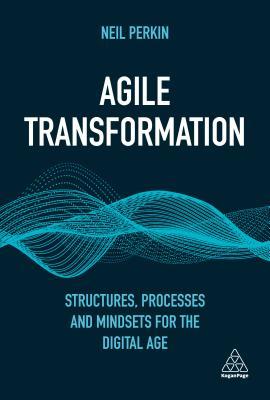
In the book agile transformation – structures, processes and mindsets for the digital age, the author neil perkin shows how to transform an organization to a new type of business for a new age and to become fit for purpose for both the present and the future.
5) process: „how does the agile transformation journey look like?“ in the final part, bach discusses how the transformation from a classical to an agile organizational structure can be achieved. As an orientation, he lays out a classical project plan with: a) preparation in the sense of „need for action“; b) initiation; c) design;.
Ultimately, as an agile team lead or scrum master, it’s up to you to set the structure for your agile team that works the best. All the structures and roles above are general, and agile is an adaptive approach.
In a traditional business structure, leaders plan and direct, bringing authority and control to the organization.
Implementing agile organizational structures also means developing the right skills, cultures and behaviors, supported by strong leadership for the change. In a world where culture consistently trumps strategy, building the right culture will make all the difference to organizations in achieving their intended outcomes.
Launched in 2015 at the head office, agile had spread to the rest of the dutch it was now time to rollout the transformation to other units of the ing group, but organizational structure; leading change; cross-cultural and cross-b.
Agile transformation sets out a blueprint for a different type of organisation which it provides a roadmap for reinventing organisational structures, strategies,.
Influencing the mental models that drive leaders is applying a change at the base of the iceberg. If we can make leaders adopt the agile mindset (learning), we increase the chances that they will create agile system structures for people to work in (changing).
We help organizations—and the benefits providers that serve them—modernize functions, manage change, and create agile structures for transforming the way work gets done.
Transformation to truly agile businesses represents a real challenge to executives and their teams but also to the advisors that usually have a solution to offer in difficult times. We find, in our work, that many companies face the same problems when transforming.
Agile transformation is a process which must be measured and managed, especially at scale. Governance and oversight of that change process will be essential. A coach can advise, but ownership of change cannot actually be his or her responsibility.
His approach took a management innovation imple- mentation lens (new structures, practices and processes) to explain the transformation process.
Few others change completely the organization structure to apply the agile-lean transformation as per the framework or as per the values and principles understanding (thus you will see some direct.
Agile transformation impact on organizational structure the answer to the inefficiencies of those functional silos is to move people from silos to long-standing, cross-functional teams. In a true agile transformation, those functional organizations are replaced by groups of teams aligned with customers or internal products.
And every aspect of the business needs to be reimagined, reworked and re-inspired along agile lines.
Agile transformation strategy experience has shown that there cannot be a prescriptive, one-size-fits-all solution for all organizations turning to agile to improve product development. Just like agile and scrum itself, the process of transitioning organizations to agile is best achieved using empirical techniques.
Organization transformation structure, culture, and assets aligned under an agile strategy when your organization is constantly on the move, aligning your culture, structure, and assets with your business strategy is no easy undertaking.
Thus, top management will need to learn that an agile transformation isn’t a project, or an initiative, or a new process, or organizational structure, but rather a never-ending journey undertaken.
Agile transformation is a strategy-driven approach that promotes progress while continuously delivering tangible results.
Organisation design: the organisation design needs to address key configuration choices in transforming a traditional organisation (often hierarchical, with command and control structures between working teams and different layers of management) into an agile organisation (typically non-hierarchical network structures with empowered cross-functional teams).
For many organizations, using the words pmo and agile in the same sentence could be considered an oxymoron. Bringing agility into your project management office may be a challenge--depending on how much your organization has already invested in your current processes and how open you are to consider making transformative changes to support the organization's move to agile.
For example, in an enterprise agile transformation project for a government agency or organization, sprints 5, 6, 7 (task 4), the task includes the development of an agile training plan, specific to the organization, tailored to the target audiences and to the roles the processes require.
28 oct 2019 unlike a typical transformation, which often requires multiple structural and employee changes every few years, an agile transformation also.
The agile transformation definition is as an act of transforming an organization’s form or nature gradually to one that is able to embrace and thrive in a flexible, collaborative, self-organizing, fast changing environment.
To start with, it’s important to understand that agile transformation is a complete redesign of organizational thinking. It is a major shake-up of the taylor model in force since the end of the 19th century.
Measure agile or digital transformations with unique metrics based on ona that is exactly why they are switching to agile organizational structures.
When going through an agile transformation, your organization's current operating system and the new, agile operating system will fight for dominance. We have successfully helped many organizations transform into agile enterprises. There are no shortcuts, but there are known patterns of success.
While a transition to agile can certainly help organizations to stay relevant, these transformations heavily impact traditional structures and working methods.
What is agile transformation? agile transformation is the process of adopting the agile method across your organization and employees. Agile transformation gives your organization a complete makeover. However, agile transformation doesn’t mean merely showing your teams how to use a scrum board.
And today i’d like to talk to you about agile team structure. I believe that many teams out there are actually struggling to achieve the benefits of agile because their teams are not optimized for delivering value.
11 jun 2019 but with so many faltering agile transformations what is it that makes an elements should enable you to structure your agile transformation,.
Agile transformation is the process of transitioning an entire organization to a nimble, reactive power structures are upended and turf battles may ensue.
Agile transformation is the process of transitioning an entire organization to a nimble, reactive approach based on agile principles. Understanding agile transformation begins with understanding what it is not: adopting agile software development methodologies.
Agile transformation structures, processes and mindsets for the digital age 1st edition by neil perkin and publisher kogan page. Save up to 80% by choosing the etextbook option for isbn: 9780749497484, 0749497483. The print version of this textbook is isbn: 9780749497477, 0749497475.
In our experience, agile transformations are more likely to succeed when they are supported by comprehensive change-management actions to cocreate an agile-friendly culture and mind-sets. First, leaders and people across the organization align on the mind-sets and behaviors they need to move toward.
As a result, adoption tends not to greatly impact organizational structure. Even in cross-functional teams, agile transformation and the resulting change is often localized and temporary in nature. Transformation, on the other hand, requires large scale change across an entire organization.
Agile leaders™: agile leaders is the transformation sponsor team which embraces the transformation in the organization at the highest level. �the agile transformation management model leads transformation efforts in five main focus areas, works to eliminate the obstacles to the transformation, and supports agile studio ™ and other agile teams.
Adopting agile ways of working often impacts the organizational structure. In this guest blog post shibabrata mondal explores the impact and provides suggestions for changing the organizational structure to accommodate for agile. He also touches on the role of the functional manager in agile.
Focused practices of agile into top-down shareholder-focused goals and structures of the organization.
He is the author of winning in turbulence and is a co-author of doing agile right: transformation without chaos (harvard business review press, 2020).
Agile transformation is the much-needed guide to achieving this success. Packed full of practical advice, this book covers everything: why new operating models.
Agile adoption and transformation most organizations recognize the benefits of agile, but transforming an entire organization from waterfall to agile is a difficult task. It involves a mindset and culture change in the workforce, which can be uncomfortable for most.
Agile transformation is the process of transforming an organization’s culture and nature to one of agility. Transformation is about a fundamental change in the way people think and feel. Some people distinguish this from adoption by calling agile adoption “doing agile” and agile transformation “being agile”.
The impact of agile on all of the elements within the model provides structure to the agile transformation, and can help guide decision making. The sequencing and prioritization of activities remain dependent on specific contexts.
This poster is a visual representation of the agile transformation kata and shows for example elements of liberating structures, the 12 principles of the agile manifesto and evidence-based management (ebm or ebmgt). These practical elements bring the agile mindset within agile transformations to life.
Agile transformation isn't about simply adopting a new set of attitudes, processes, and behaviors at the team level—it's about building enabling structures,.
Whether your goal is to go through an agile transition, support a digital transformation or increase business agility in your organization, the organic agility framework understands your organization as a complex environment, is designed to build leadership capability, respects the human factors and creates the resilience you need for a successful future.
Regardless of the structure that you choose, using agile principles can help you understand the document’s purpose and maximize your cross-functional team’s knowledge and time.
In my opinion, the acquisition helped force a cultural change that would not have happened with the previous management structure in place. Agile transformation requires continuous training and coaching. As a part of my agile transformation journey i had the opportunity to see how critical agile coaching and training is needed.
Leadingagile ceo and founder, mike cottmeyer is passionate about solving the challenges associated with agile in larger, more complex enterprises. To that end, he and his team are dedicated to providing large-scale agile transformation services to help pragmatically, incrementally, and safely introduce agile methods.
Com: agile transformation: structures, processes and mindsets for the digital age (9781789660272): perkin, neil: books.
Unlike the spotify-inspired tribe structure, agile teams should remain located closely to the operations teams that will ultimately support and scale their work, according to the authors. This model, they argue in doing agile right, promotes accountability for change, and willingness to innovate on the business side.
Build an agile organizational structure and culture that will enable your company to succeed in a digital age with this practical guide.
Hybrid organizations core structure or backbone – it secures the overall strategy, governance and synergies across the corporation functional units – they.
Com: agile transformation: structures, processes and mindsets for the digital age (0000749497475): perkin, neil: books.
On the other hand, at the level of the overall organization, topics such as business agility, a flat organizational structure, portfolio management and capacity-.
Packed full of amazing insights, case-studies and practical examples for implementing agile transformation across any organization. Duncan hammond, vp transformation, warner music group an inspiring and practical guide to the why, what and how of transforming businesses to meet the challenges and opportunities of digital disruption.
Because agile transformation involves changing the way people work, it also requires changes to the way people are managed. Both the structures and processes of employment may need to adapt.
In many organizations, there is one key person who serves as the agile transformation leader. It is only with a solid understanding of this critical role that the transformation will succeed and deliver the promised benefits. So, let’s explore what it means to be an agile transformation leader.
10 may 2019 but figuring out how to pull off an agile transformation is another question. Structural hierarchy, whereas agile organizations are characterized.
Get started with the agile transformation kata whitepaper in english or french it is disabled in your browser.
6 oct 2020 these structures are a combination – and codification – of a set of healthy patterns.
4 nov 2018 thus, top management will need to learn that an agile transformation isn't a project, or an initiative, or a new process, or organizational structure,.
An agile transformation is the process of transforming the organization structure and culture to one that fosters true business agility. This impacts organizational structures, and the way work is completed, managed and measured.
Agile ways of working bring great benefits to organisations and individuals alike. Going from a classic hierarchy to a flat structure isn’t straightforward. At pa, an innovation and transformation consultancy, we’ve worked with many clients, guiding them through and working alongside their people to make the change.
Buy agile transformation: structures, processes and mindsets for the digital age 1 by perkin, neil neil (isbn: 0000749497475) from amazon's book store.
But it is the level of commitment to agile resourcing that is truly impressive, avoiding the common trap of adopting some agile attributes but not letting go of legacy structures, processes or governance. As bart schlatmann (who was the coo through the transformation) says:.
A targeted approach, sequenced implementation and investment in culture are keys to a successful agile organizational transformation. A gile delivery models are a hot topic in organizational design circles. Organizations everywhere are implementing agile capabilities and structures at pace – and for good reason.
Agile transformations require reimagined organizational structures. We can help you make a full range of changes–from incremental adjustments to wholesale redesign. Inherent to our approach is minimizing dependencies, reducing inefficiencies in processes, and maximizing the flow of value through a business.
Why agile implementation fails one major reason for the failure of agile transformation is the lack of sustainability, transparency and measurability of the agile organization.
Analysis as well as quantify the measurement of capacity for agility for a non- biased agile transformation process assessment.
Entity under leadership of this team, the individuals who will take active part in the transformation process must be determined, new structures must be created,.
For example, some people formally embrace the agile way of working but do not let go of their existing organizational structure and governance. That defeats the whole purpose and only creates more frustration. The quarterly: how important was it to try to change the ing culture as part of this transformation?.
Post Your Comments: