Read The Varieties of Religious Experience (Annotated) - William James file in PDF
Related searches:
The lectures attempt to provide a summary of man's various religious characteristics and experiences. Major topics of discussion include: religion and neurology; the reality of the unseen; the religion of healthy-mindedness; the sick soul; the divided self, and the process of its unification; conversion; saintliness; mysticism; philosophy; and various other elements of religion.
The varieties of religious experience is actually a collection of lectures james delivered in edinburgh, scotland.
The varieties of religious experience (1902) is william james's classic survey of religious belief in its most personal, and often its most heterodox, aspects. Asking questions such as how we define evil to ourselves, the difference between a healthy and a divided mind, the value of saintly.
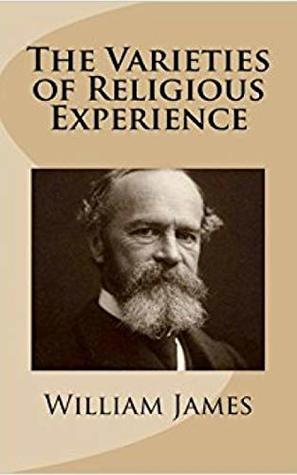
The varieties of religious experience: a study in human nature is a book by the harvard psychologist and philosopher william james that comprises his edited gifford lectures on natural theology delivered at the university of edinburgh in scotland between 1901 and 1902. These lectures concerned the nature of religion and the neglect of science, in james' view, in the academic study of religion.
The varieties of religious experience by william james, 9780140390346, available at book depository with free delivery worldwide.
The varieties of religious experience a study in human nature being the gifford lectures on natural religion delivered at edinburgh in 1901-1902 by william james longmans, green, and co, new york, london, bombay, calcutta, and madras 1917.
A new edition of a highly respected and widely used classic now appears to make.
The varieties of religious experience, first delivered as the gifford lectures in edinburgh, was published in 1902 and quickly established itself as a classic. It ranks with its great predecessor, the principles of psychology, as one of william james ’s masterworks.
In the varieties of religious experience, james offers a psychological account of personal religious experiences across the major world religions. Defining personal religion as the feelings, acts, and experiences of individuals in relationship to the divine, james develops a taxonomy of various experiences.
The varieties of religious experience (1902) by william james, a psychologist and philosopher who taught at harvard, contains, in edited form, a series of natural theology lectures called the gifford lectures which he delivered at the university of edinburgh in the two years leading up to its publication. The lectures argue about the nature of religion and the tendency of modern religious studies to ignore the importance of science in their research.
The varieties of religious experience: a study in human nature is a book by the harvard psychologist and philosopher william james comprising 20 lectures given at the university of edinburgh in scotland. These lectures concerned the nature of religion and the neglect of science, in james' view, in the academic study of religion.
William james's the varieties of religious experience is one of the world's most popular attempts to meld science and religion.
William james believed that individual religious experiences, rather than the precepts of organized religions, were the backbone of the world's religious life.
The varieties of religious experience is certainly the most notable of all books in the field of the psychology of religion and probably destined to be the most.
The varieties of religious experience was an immediate bestseller upon its that individual religious experiences, rather than the tenets of organized religions�.
The gifford lectures were established in 1885 at the universities of st andrews, glasgow, aberdeen and edinburgh to promote the discussion of 'natural theology in the widest sense of the term - in other words, the knowledge of god', and some of the world's most influential thinkers have delivered them.
The varieties of religious experience was first presented as a series of lectures at the university of edinburgh in 1901. To prepare for the talks, harvard psychologist william james had read widely in the religious classics, including the personal accounts of various saints and mystics. His decision to look at spiritual experience from a psychological point of view seemed very new at the time, even blasphemous.
In his opening lecture, james describes the methodology of his study. He explains that it would be of little benefit to base the research on common individuals who have confined religious experiences and imitate traditions which have been passed on to them. Instead, he chooses to focus the study on ‘religious geniuses’.
These are: ineffable: the experience is incapable of being described and must be directly experienced to be understood. Noetic: the experience is understood to be a state of knowledge through which divine truths can be learned.
The varieties of religous experience, by william james, [1902], full text etext at sacred-texts.
On campus, the discourse on diversity often omits discussion of religion. As a way to address this omission, inaugural thought leadership fellow matthew blake ’17 embarked on this narrative journalistic project to highlight students’ unique religious experiences at middlebury, particularly exploring how religion shapes their understanding of identity, culture, and purpose.
The varieties of religious experience here is my copy of william james's the varieties of religious experience. This classic book was first published in 1902, and has remained in print ever since. The basic issues james discusses here remain of vital concern to people in psychology and religion today.
Edition description one of the greatest works of non-fiction of the twentieth century, william james's the varieties of religious experience was revolutionary in its view of religious life as centered not within the church, but soley within 'the feelings, acts, and experiences of individual men in their solitude' --publisher.
William james's the varieties of religious experience (1902) is the groundbreaking book featured in this episode of backlisted. Joining john and andy to discuss this influential study of philosophy, psychology and faith - and the life and beliefs of its author, whose younger brother was the novelist henry james - is john williams, daily books editor and a staff writer at the new york times.
20 dec 2007 the title varieties of religion today recalls james's book the varieties of religious experience.
The varieties of religious experience: a study in human nature by william james william james (1842-1910), became one of the most eminent of american philosophers and psychologists.
4 aug 2010 the varieties of religious experience: a study in human nature is a book by the harvard psychologist and philosopher william james that.
An edition of the varieties of religious experience (1902) the varieties of religious experience a study in human nature; being the gifford lectures on natural religion delivered at edinburgh in 1901-1902.
Het beroemde boek van de amerikaanse wijsgeer (1842-1910) dat de aanstoot heeft gegeven tot het onderzoek naar de godsdienstpsychologie.
The varieties of religious experiences, by william james lectures vi and vii the sick soul at our last meeting, we considered the healthy-minded temperament, the lecture viii – the divided self, and the process of its unification.
James' three criteria of religious experience, therefore, read as follows: religious luminousness; philosophical reasonableness; and moral helpfulness.
The varieties of religious experience is the most profound series of lectures to inspire the founding fathers of what is commonly know as the 12 program towards spiritual revovery from alcohol and drugs; to include eating disorders and gambling.
William james: the varieties of religious experience (paperback classic) introduced by jaroslav pelikan. Cheston knapp: weird, feral ralph waldo emerson, wily william gass, and other influences on up up, down down. Philosopher and psychologist william james championed the value of individual experience with an eloquence and zeal that places him beside emerson and whitman as a classic exponent of american democratic culture.
William james provided a description of the mystical experience, in his famous collection of lectures published in 1902 as the varieties of religious experience. These criteria are as follows passivity – a feeling of being grasped and held by a superior power not under your own control.
Regarded by theologian reinhold niebuhr as “a milestone in religious thought,” the varieties of religious experience takes on “the very inner citadel of human life” by focusing on intensely religious individuals from different cultures and eras, in order to explore from within how religion enriches human lives.
The hedonistic school in ethics deduces the moral life wholly from the experiences of happiness and unhappiness which different kinds of conduct bring; and, even more in the religious life than in the moral life, happiness and unhappiness seem to be the poles round which the interest revolves.
'the varieties of religious experience is certainly the most notable of all books in the field of the psychology of religion and probably destined to be the most influential [one] written on religion in the twentieth century,' said walter houston clark in psychology today. The book was an immediate bestseller upon its publication in june 1902.
7 aug 2008 and presentation of william james' classic work the varieties of religious experience.
In william james’ 1902 book “the varieties of religious experience” he opens with depicting the approach of his review. He clarifies that it would be of little advantage to construct the examination with respect to regular people who have bound religious encounters and emulate customs which have been passed on to them.
In the varieties of religious experience he takes on “the very inner citadel of human life” by focusing on intensely religious individuals from different cultures and eras, in order to explore from within how religion enriches human lives.
The varieties of religious experience summary explains why religion isn't limited to church and how anyone can benefit from spirituality.
The varieties of religious experience is william james's classic survey of religious belief. With psychological insight and philosophical rigor, james wrote a truly foundational text for modern belief. Matthew bradley's wide-ranging new edition--the most critically up-to-date and inclusive edition of james's masterpiece available in paperback--showcases ideas that continue to fuel modern debates on atheism and faith.
Walt disney’s masterpiece, fantasia, may seem at first like a random collection of animated shorts whose only common factor is that each was inspired by a well-known piece of classical music. However, consciously or not, the film has a deeper unifying principle.
The varieties of religious experience (1901) is a lecture series that american philosopher and psychologist william james offered at the university of edinburgh.
The varieties of religious experience study guide contains a biography of william james, literature essays, quiz questions, major themes, characters, and a full summary and analysis.
Gifford lectures on natural religion, delivered at edinburgh in 1901–1902.
In study of religion: psychological studies investigations by psychologists was the varieties of religious experience, by the american philosopher and psychologist william james (1842–1910), in which he attempted to account for experiences such as conversion through the concept of invasions from the unconscious. Because of the clarity of his style and his philosophical distinction, the work.
Yet the varieties of religious experience, james's most sustained treatment of religion, constitutes a proposal that even the most private, mystical experiences.
The varieties of religious experience� a study in human nature / william james.
Reviews the book, the varieties of religious experience, a study in human nature by william james (see record 2004-16273-000).
Varieties of religious experience (1902) - culled from a series of lectures pre- pointment as gifford lecturer on natural religion at the university of edin-.
26 sep 2014 william james' 'varieties of religious experience' teaches us that living a richer, fuller life is the true goal of religion.
Being the gifford lectures on natural religion, delivered at edinburgh in 1901- 1902.
The varieties of religious experience is william james's classic survey of religious belief. With psychological insight and philosophical rigor, james wrote a truly.
27 jul 2020 william james's the varieties of religious experience (1902) is the groundbreaking book featured in this episode of backlisted.
The varieties of religious experience by william james its easy to link to paragraphs in the full text archive if this page contains some material that you want to link to but you don't want your visitors to have to scroll down the whole page just hover your mouse over the relevent paragraph and click the bookmark icon that appears to the left.
The varieties of religious experience by william james the handiest of the marks by which i classify a state of mind as mystical as negative. The subject of it immediately says that it defies expression that no adequate report of its contents can be given in words.
A classic of american thought, william james’ the varieties of religious experience is an extraordinary study of human spirituality in all its forms and one of the most profound works of psychology ever written. When the book was published in 1902 the study of the human mind was a thrillingly new field of scientific enquiry: james was one of the first to seriously examine the psychology of religious faith and where he led, both jung and freud would follow.
The varieties of religious experience: a study in human nature by william james download this ebook similar books bibliographic record.
1 jul 2013 in the varieties of religious experience, james offers a psychological account of personal religious experiences across the major world.
The chapter itself starts with the story of the “conversion” to confucianism of a businesswoman and compares it with other cases to give some insight into “the varieties of religious experiences” leading today to confucianism. The chapter emphasizes both the role of buddhism and the role of the master in this process.
The varieties of religious experience: a study in human nature is a book by harvard university psychologist and philosopher william james.
The varieties of religious experience (1901) is a lecture series that american philosopher and psychologist william james offered at the university of edinburgh in 1901-1902. In these lectures, james explores the phenomenon of religion from a psychological perspective.
The varieties of religious experience: a study in human nature a modern library book gifford lectures on natural religion gifford lectures gifford lectures, 1901-1902 modern library of the world's.
The varieties of religious experience was an immediate bestseller upon its publication in june 1902.
William james gives extensive examples from the experiences of saints and ordinary persons, as told in the religious literature and in diaries and letters.
This notable and influential study of the psychology of religion asserts that instead of the tenants of organized religion, we should look to the individual religious.
Post Your Comments: